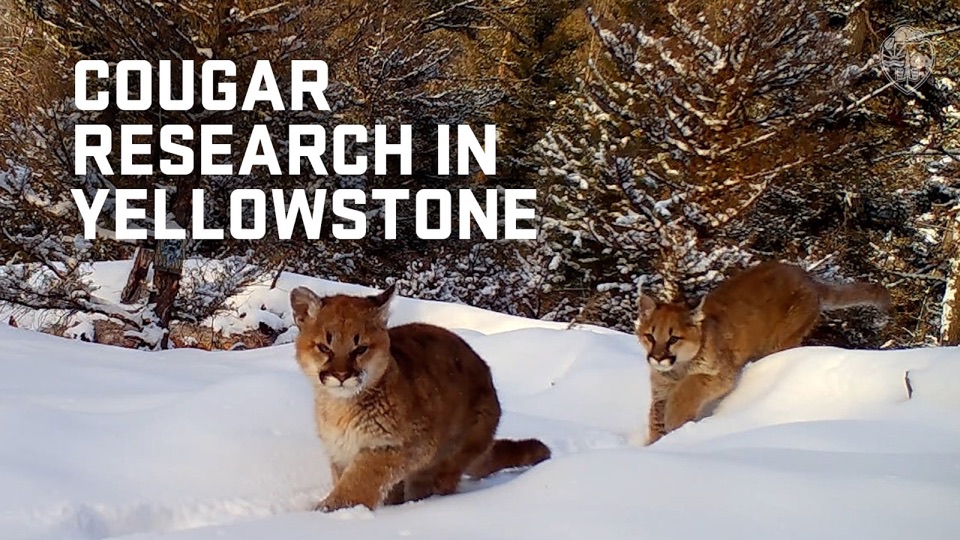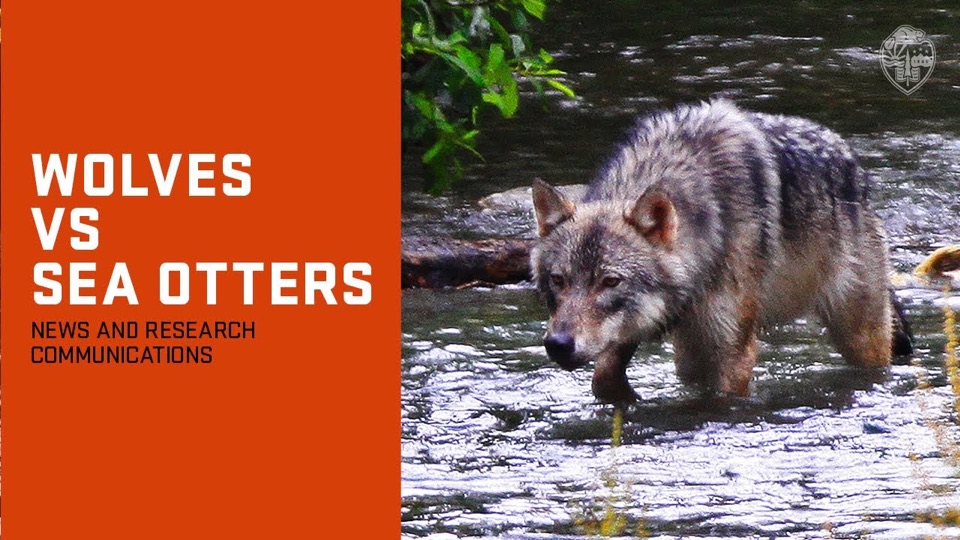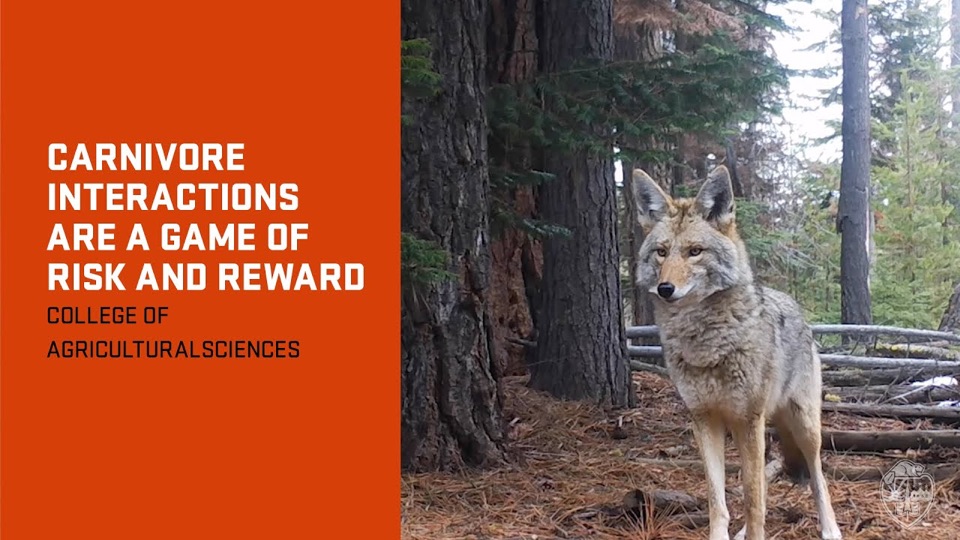
Cascadia Genetics Laboratory
Noninvasive genetic surveys and environmental DNA — designing field protocols, processing challenging samples, and delivering population-level genomic inference for management and conservation.
Explore Genetics Lab →
A collaborative research group mobilizing genomics, artificial intelligence, modeling, and field ecology to advance wildlife science and evidence-based conservation
Three specialized labs working in concert — from molecule to landscape scale — to produce rigorous, publication-quality wildlife science.
Noninvasive genetic surveys and environmental DNA — designing field protocols, processing challenging samples, and delivering population-level genomic inference for management and conservation.
Explore Genetics Lab →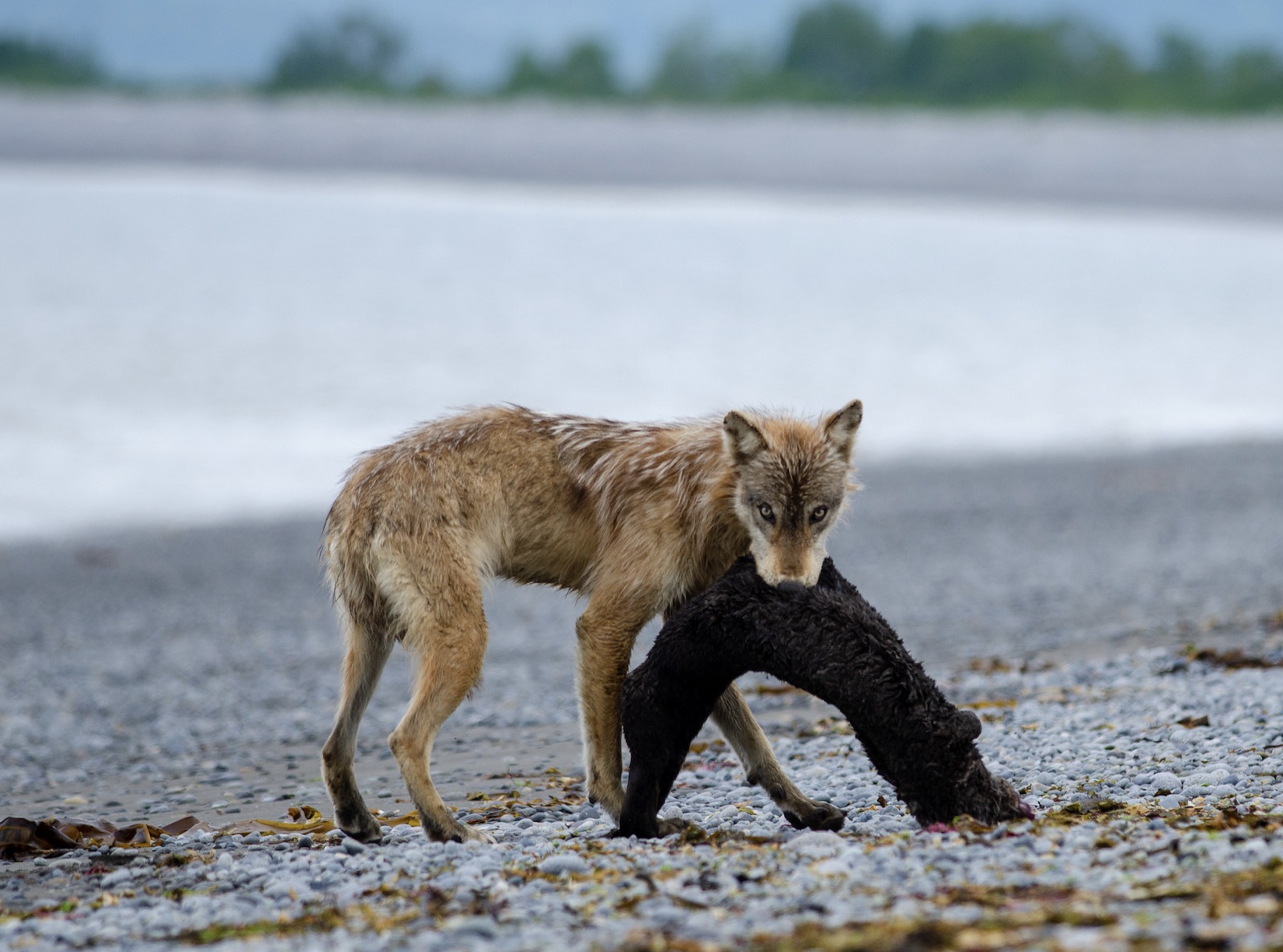
Custom computer vision and bioacoustics AI for camera trap and acoustic monitoring — in partnership with the Pacific Northwest Bioacoustics Lab.
Explore AI Lab →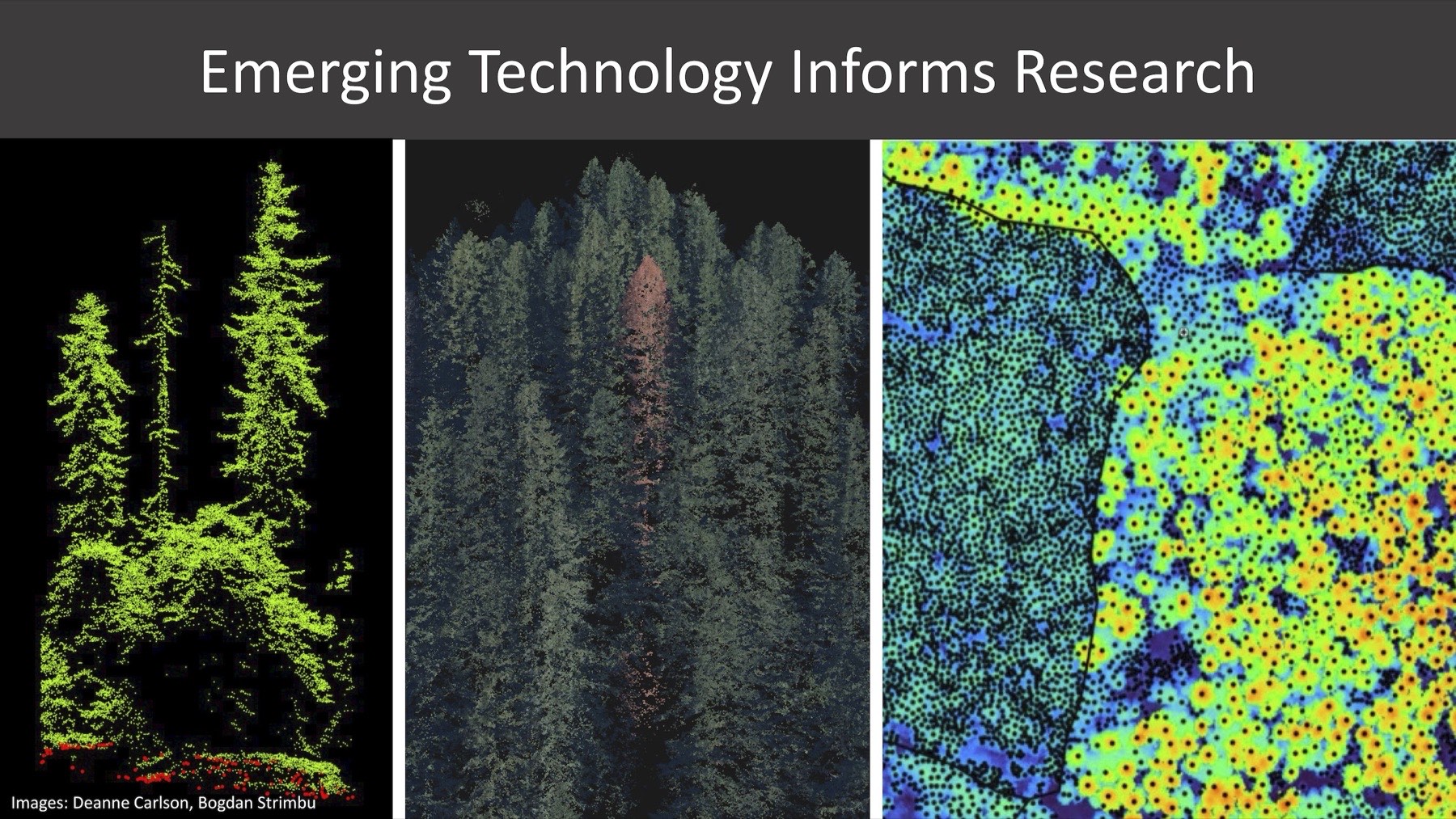
Density estimation via spatial capture-recapture, animal movement analysis, occupancy modeling, and LiDAR-based habitat characterization for rigorous ecological inference.
Explore Analysis Lab →From boots-on-the-ground data collection to cutting-edge computational analysis — a complete toolkit for wildlife research at any scale
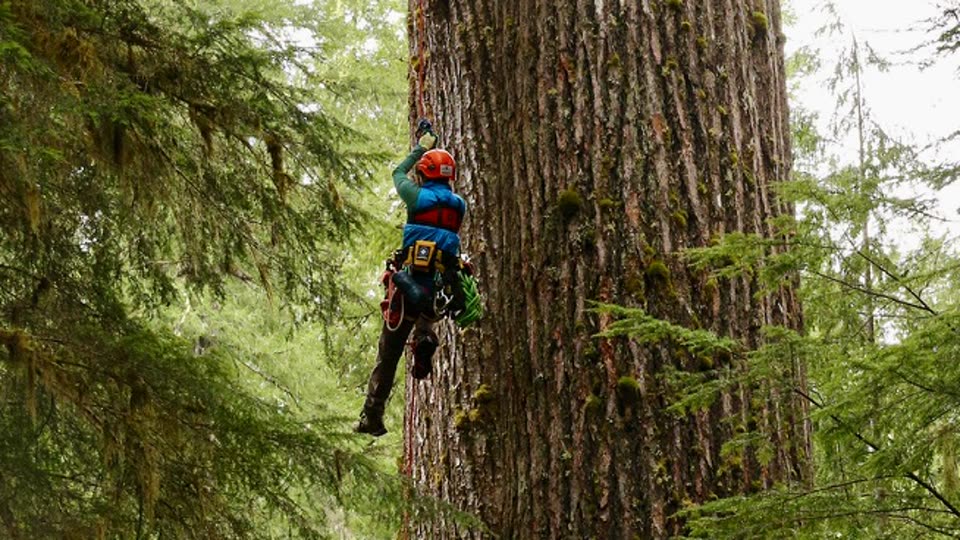
Large-scale mammal capture programs using box traps, snares, and telazol immobilization. We deploy GPS and VHF collars to generate telemetry datasets that underpin home range, movement, and survival analyses.
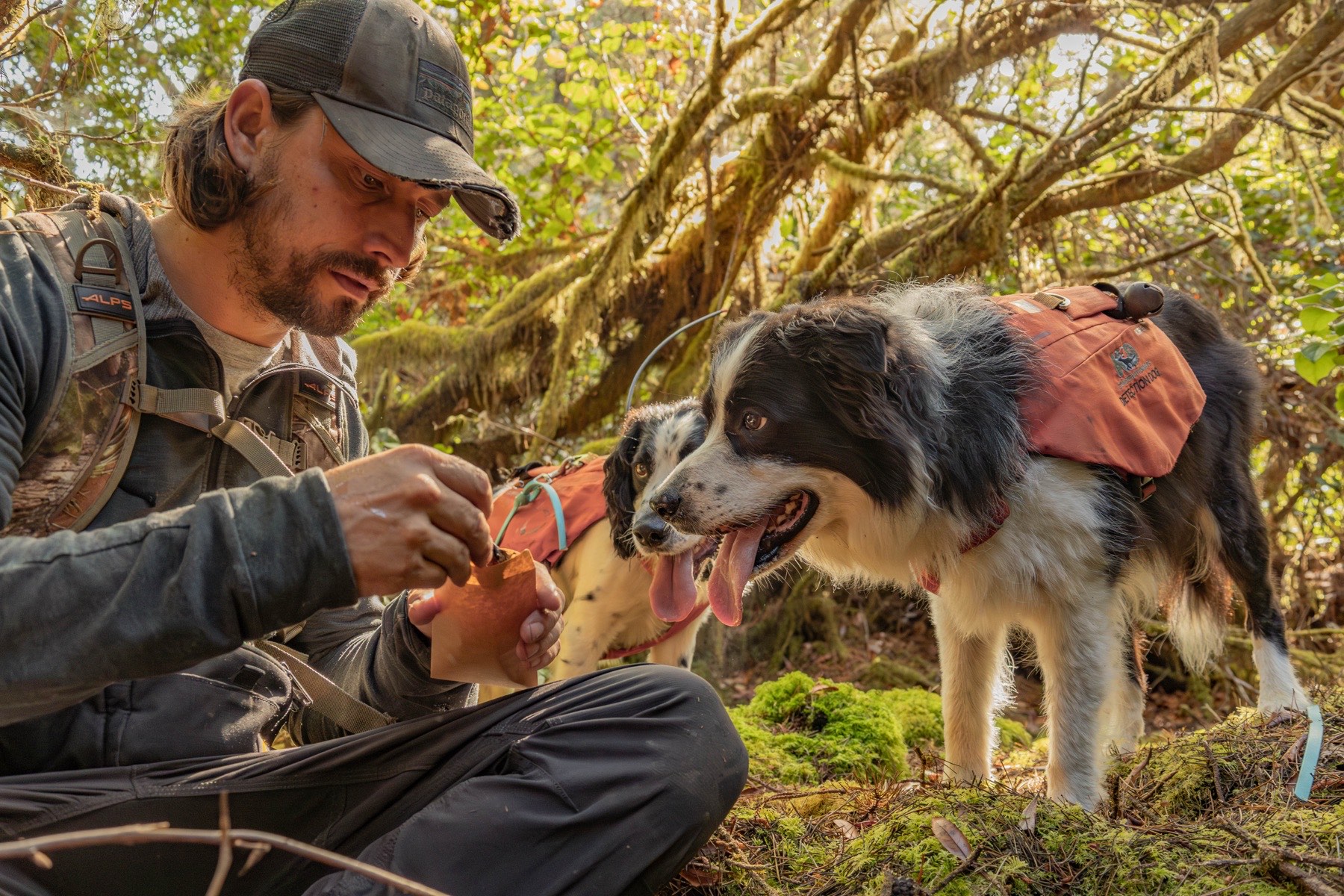
Hair snares, scat transects, and water/sediment filtration for environmental DNA — extracting individual identity, species composition, and population parameters without ever handling an animal.
Deployment and management of large camera trap arrays paired with deep learning classifiers trained for your species and your cameras — turning millions of images into detection data at scales impossible with manual review.
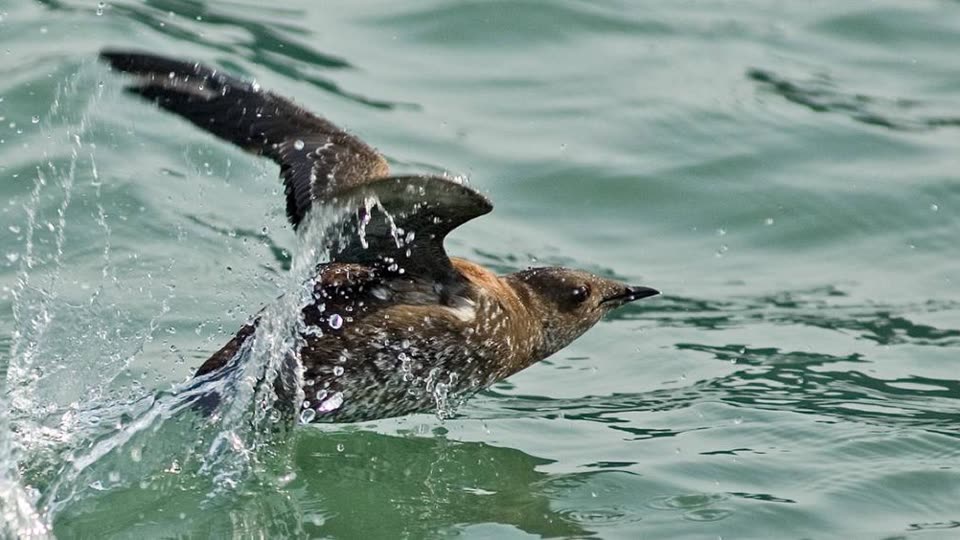
AudioMoth, Swift, and Song Meter deployment for continuous acoustic monitoring of owls, murrelets, and other forest birds — combined with custom neural network detectors built for the target species.
High-throughput sequencing of bulk environmental samples to characterize multi-species communities — dietary analysis from scat, aquatic biodiversity from eDNA, and diet reconstruction from gut contents.
Spatial capture-recapture, occupancy modeling, species distribution models, Bayesian hierarchical models, movement analysis, and LiDAR-based habitat characterization — rigorous inference from any combination of field data streams.
The Cascadia Wildlife Lab brings together faculty, research biologists, and computational scientists from Oregon State University, the USDA Forest Service, NCASI, and partner institutions — each leading their own programs, and each contributing specialized expertise toward a shared goal: evidence-based conservation.
That goal shapes how we work. Conservation decisions are only as good as the evidence beneath them, and the evidence is only as good as the methods that produced it. So we pair large field datasets with molecular, analytical, and computational capabilities strong enough to get real answers out of them — and we document those answers to standards that hold up under scientific and regulatory scrutiny.
We offer the analytical depth of a research university and the logistical capacity of a wildlife consulting program — serving agencies, tribes, NGOs, and academic partners across the Pacific Northwest and beyond.
Meet the Team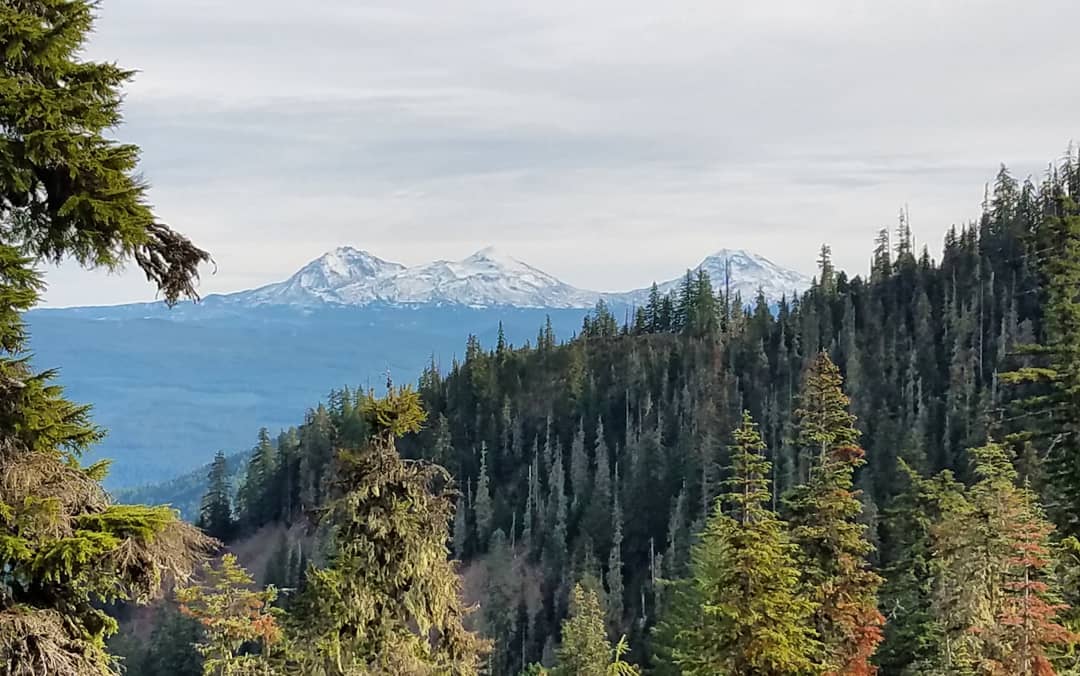
Pacific Northwest — Cascadia Region
Pacific Marten — Camera Trap, Pacific Northwest
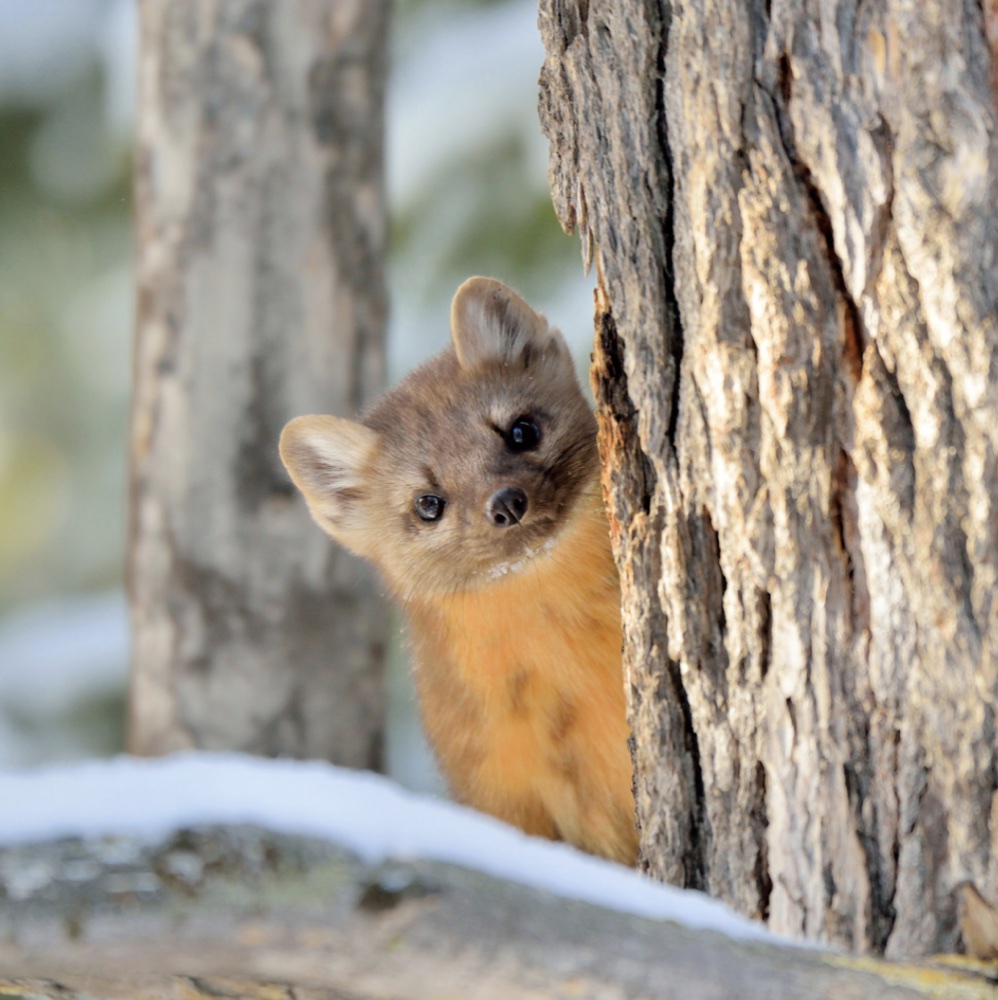
Pacific Marten — Martes caurina
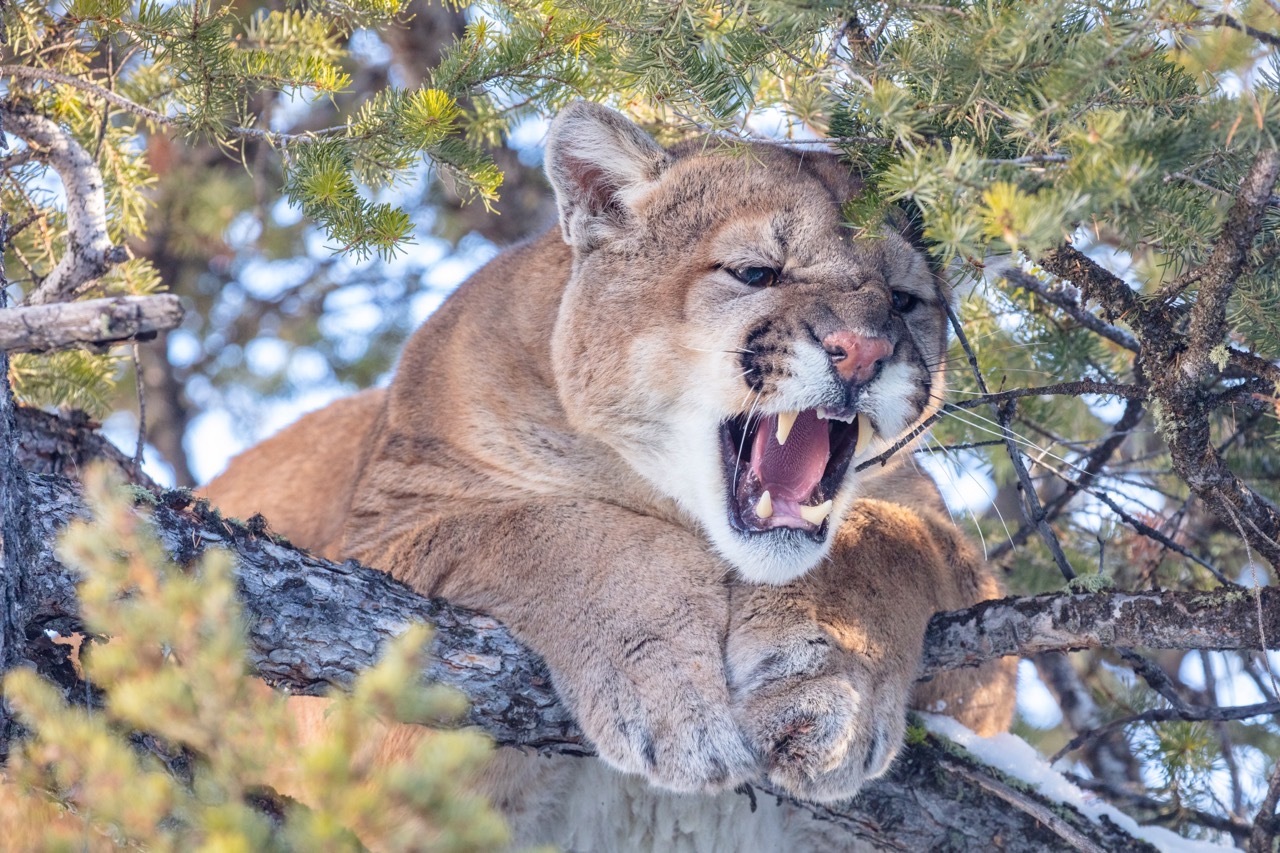
Mountain Lion — Puma concolor
Faculty, research biologists, and computing scientists who together form the Cascadia Wildlife Lab — each bringing deep expertise in their own discipline and research group
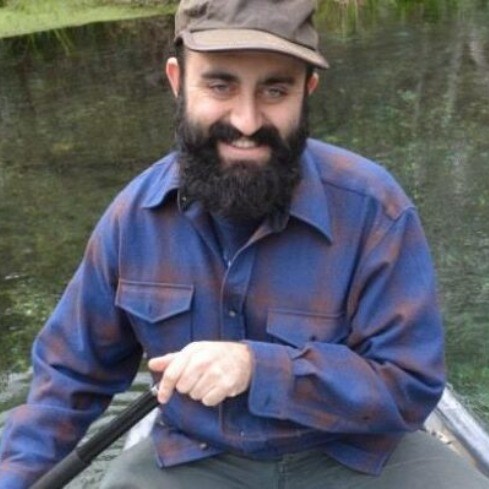
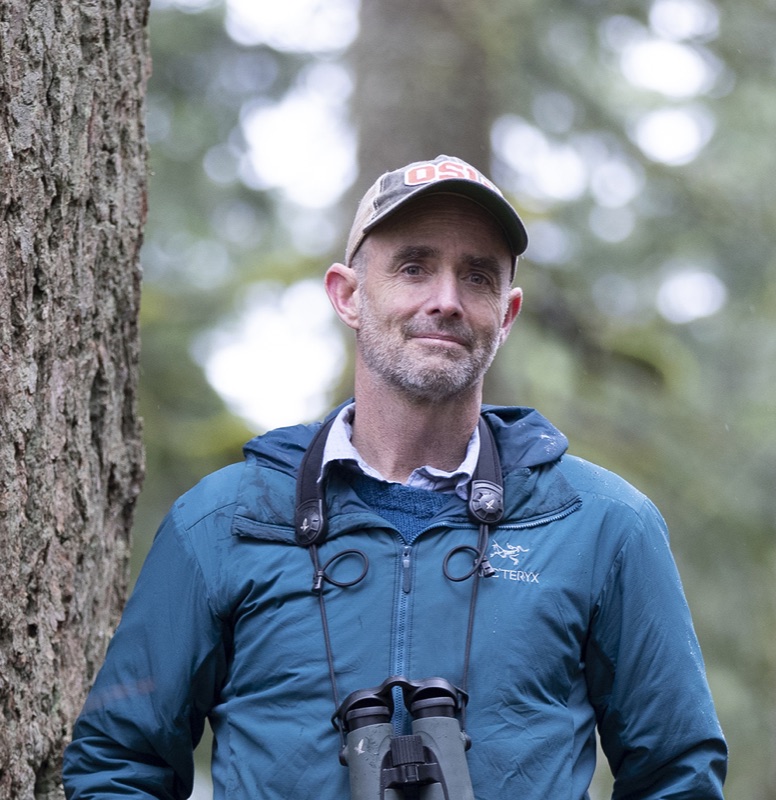
Professor, Oregon State University
Forest Landscape Ecology Lab →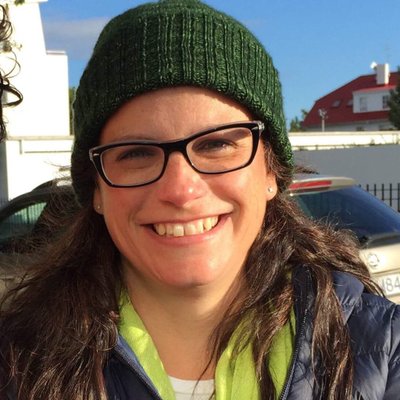
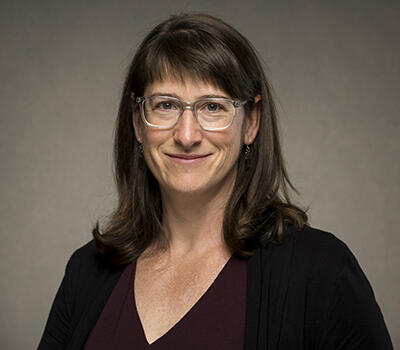
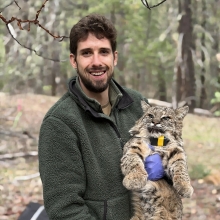
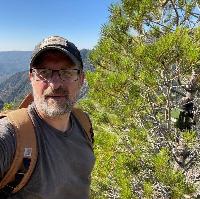
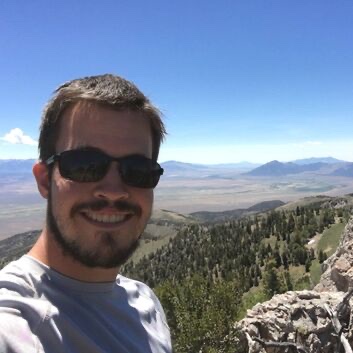
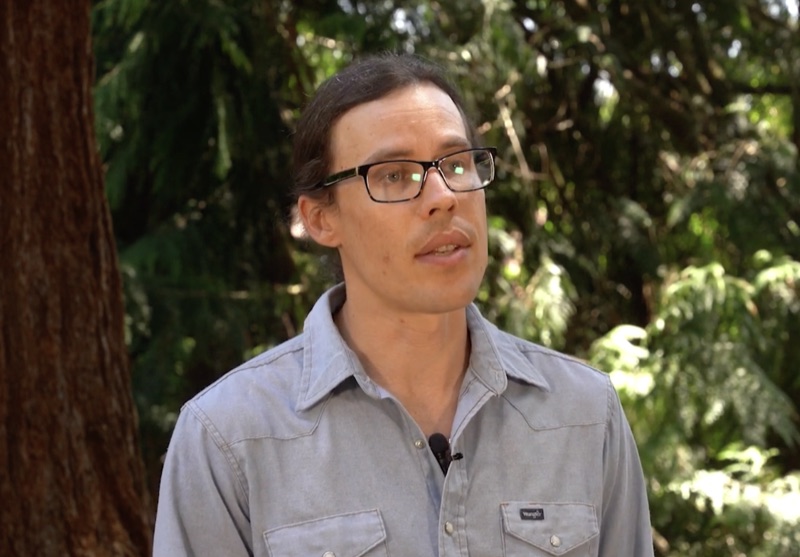
Research Scientist
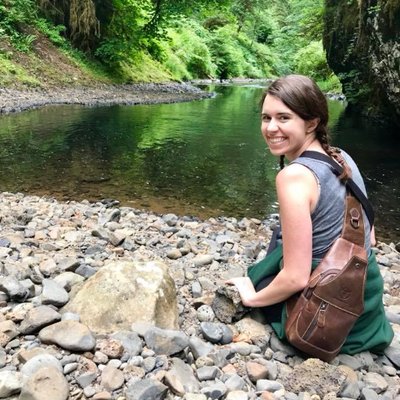
Research Scientist
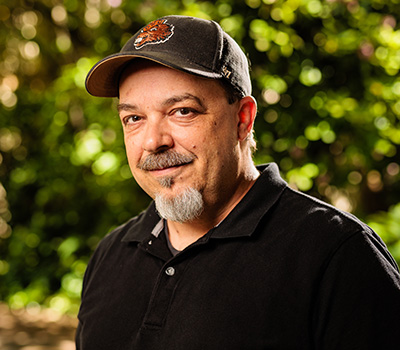
Director, Research & Academic Computing, OSU
OSU Research Computing →Every capability described on this site — the genetics lab, the AI models, the analytical methods — exists because someone funded its development. Partners and supporters make the next set of hard-to-study species and hard-to-answer questions tractable.
Get In TouchTell us about your study system and what you need to learn from it. We will tell you honestly whether we are the right group for the work, and who else to talk to if we are not.
Study design, method selection, cost estimates, and timelines — for agencies, tribal nations, NGOs, industry, and academic partners across the Pacific Northwest and beyond.
info@cascadiawildlifelab.org